

Natural Essence6 min read
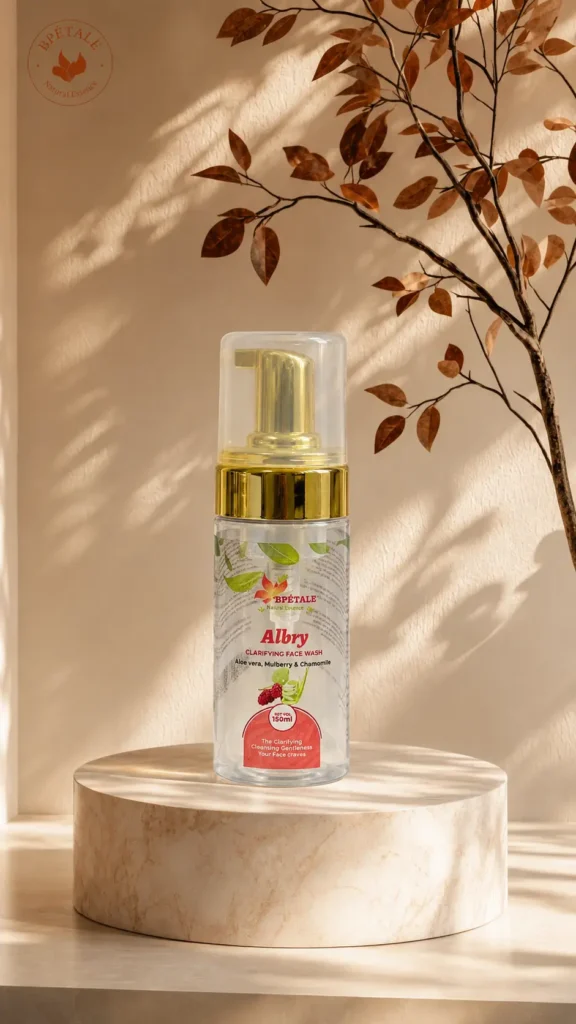
Learning to read a skincare product label helps you move from liking the packaging to understanding the product. The name on the front may tell you the range or the general idea. The useful details explain what the product is, its intended use, what is in it and how the maker says it should be handled.
This guide is about making an informed purchase, not diagnosing a skin condition or creating a treatment plan. Your own sensitivities, preferences and any professional advice still matter. The aim is to help you notice useful information and recognise questions that deserve an answer before an item goes into your basket.
Begin with the product’s job
Look for a clear description such as face wash, moisturiser, serum or body lotion. A creative product name may be memorable without explaining whether the formula is meant to be rinsed away, left on the skin or used on a particular area.
Check that the online listing and the packaging describe the same product and size. Similar names can belong to different formulas or uses. Do not assume that two products with matching colours or related names are interchangeable.
Think about the task you want the product to perform. If you are replacing a cleanser, look for a cleanser rather than choosing a serum simply because it is promoted beside one. Keeping the intended job in view makes a large catalogue easier to navigate.

Existing Natural Essence promotional imagery. Confirm the current bottle, label and size before using it as the final product photograph.
Find the full ingredient information
The ingredient list and the product’s marketing description serve different purposes. A front label may highlight a few ingredients, while the complete list gives a fuller account of the formula. Do not treat a highlighted botanical as the only thing inside the bottle.
If you already know an ingredient does not suit you, check the full list rather than relying on the product name. Where the list is missing or difficult to read online, ask the brand for approved information. Guessing from a photograph or a short caption is not a useful substitute.
Do not assume that a word such as natural establishes suitability for everyone. The American Academy of Dermatology notes that skin reactions can still occur with skincare products and recommends testing a new product before wider use. Follow product-specific directions and seek qualified advice when a known allergy or skin condition makes the decision more complicated.
Read directions before planning a routine
Directions should explain where and how the product is intended to be used. A rinse-off product and a leave-on product should not be treated the same way. Read any cautions and the maker’s instructions about frequency or areas to avoid.
Avoid combining several unfamiliar products simply because they appear in the same collection. If a product is sold as part of a routine, ask for the approved sequence and whether any steps are optional. Do not invent a stronger or more frequent use based on a promise of faster results.
Keep the label or a clear record of its directions after the first use. A product page may be updated later, and packaging details help you identify the version you actually bought. That is particularly useful when asking the brand a follow-up question.
Check size, packaging and value
Look at the net amount and the unit. Comparing a small bottle with a larger jar by price alone can be misleading. A product may be available in more than one size, so check the selected variation before paying.
Consider how the packaging fits your actual use. A pump, tube or jar may be more convenient for different settings, but convenience is a personal preference rather than proof that a formula works better. If you want a product for travel, check the container size and the relevant transport rules separately.
Value is not only the largest container for the lowest price. It also depends on whether the product has the right purpose, whether its directions fit your needs and whether the information is clear enough for you to use it as intended. Buying an unsuitable item in a larger size does not solve the underlying mismatch.

Existing Bpetale brand artwork. It illustrates the range and is not evidence of a treatment outcome or a clinical test.
Notice storage and date information
Check the information the maker supplies about storage and use after opening. Do not apply one shelf-life assumption to every cosmetic. The FDA explains that cosmetic shelf life varies with the product, use and storage conditions; follow the actual maker’s guidance for the item you buy.
Keep packaging identifiers that would help the brand answer a query, such as a batch reference where provided. If a seal, label or product condition raises a concern, ask before continuing to use it. Do not rely on a social-media reply about another product as if it applies to yours.
An online listing should make key information available before purchase. If you can only see the front image, a readable back-label photograph can be valuable. It should supplement clear written details rather than force customers to zoom into a tiny image for every answer.
Separate clear descriptions from large promises
Phrases such as clinically proven, dermatologist-reviewed, organic or cruelty-free should have a clear meaning and supporting evidence. Ask what the statement refers to: the specific product, one ingredient, the packaging or a wider brand policy. Those are not interchangeable claims.
Be cautious about treating a product name as a guaranteed result. A description should explain intended cosmetic use without promising that every person will have the same experience. Reviews can provide context, but they do not replace the ingredient list, directions or individual suitability.
For Bpetale Natural Essence, a useful product page should bring these details together: product purpose, selected size, approved description, full ingredients, directions, cautions and storage information. If something is missing, ask for it rather than filling the gap with assumptions.
A practical label-reading checklist
- What type of product is it, and where is it intended to be used?
- Is it rinse-off or leave-on?
- Is the full ingredient information available?
- Are the directions and cautions clear?
- Have I selected the right size or variation?
- What storage and date information does the maker provide?
- Are any important claims explained and supported?
- Do the online listing and packaging match?
Does natural mean a product cannot irritate my skin?
No. The label still needs careful reading, and individual reactions are possible. Consult the AAD’s guidance on testing skincare products and seek qualified advice for a known concern.
What if a product page does not show ingredients?
Ask the brand for the current approved list before buying, especially when you have a known sensitivity. A short benefit statement is not the complete formula.
Explore Bpetale Natural Essence with these questions in mind. Clear product information should help you make a confident choice without needing to guess what a bottle contains or how it is meant to be used.