

Natural Essence5 min read
A travel toiletries checklist should make packing simpler. It helps you separate essentials from items you are carrying just in case, check that containers are suitable for the journey and avoid arriving with a bag full of leaks or unfamiliar products.
Start with the length and purpose of the trip. A weekend stay, a longer holiday and a work trip may call for different amounts and different routines. The goal is not the smallest bag at any cost. It is a manageable kit containing what you actually intend to use.
Plan from your existing routine
List the personal-care products you use regularly, then mark which ones belong on this trip. Think about the accommodation, planned activities and the people travelling. If a product is not part of your routine and has no clear purpose for the trip, consider leaving it behind.
Do not assume that a hotel will provide a particular item unless it has been confirmed. Equally, do not pack full-size duplicates of something you know will be available and are happy to use. A quick check can reduce unnecessary weight without turning packing into a guessing exercise.
Keep any prescribed or medically necessary items separate from a generic beauty checklist and follow the relevant professional and transport guidance. This article is about organising everyday toiletries, not advising on medical supplies.

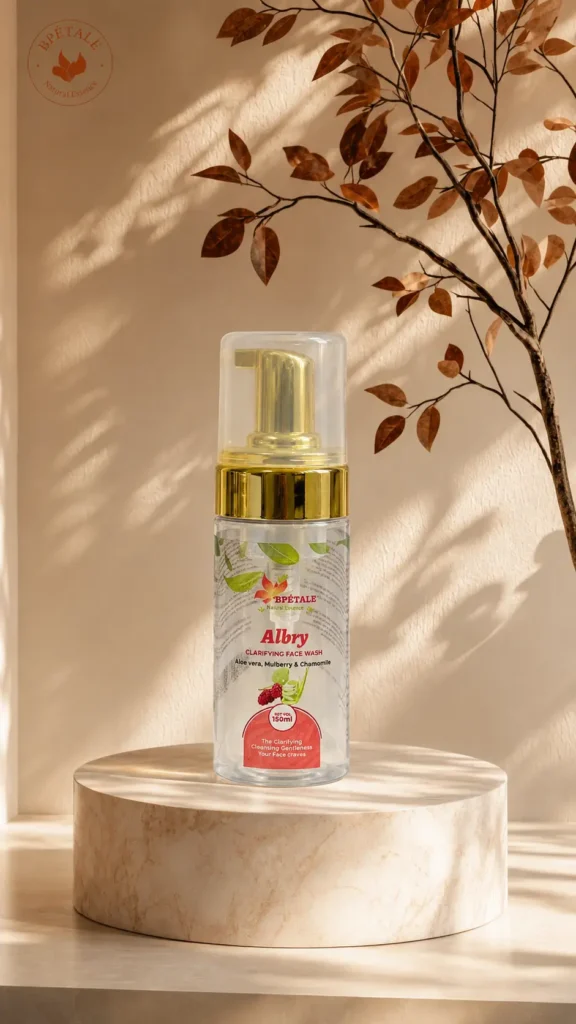
Existing promotional image. The pictured package is labelled 150 ml; do not describe it as cabin-approved or as a travel-size bottle.
Check the actual container sizes
Read the amount printed on each package. A bottle that looks small in a photograph can still exceed a limit that applies to your route. A partly empty large container may also be treated differently from a smaller labelled container, depending on the rules in force.
If you are flying, check the current rules for the airports, itinerary and airline involved. IATA notes that liquid, aerosol and gel restrictions apply in many countries, with common 100 ml container rules, but local requirements and exceptions must be checked for the actual trip. Do not rely on a general packing article as permission at security.
Where you use smaller containers, make sure they are appropriate for the product and identifiable. Do not remove important directions or cautions from your planning information. Keep a clear record of what each item is so that several similar-looking bottles do not become confusing at your destination.
Choose familiarity over a completely new routine
A trip adds enough practical decisions without requiring you to learn several unfamiliar products at once. Pack items you understand and can use according to their directions. If you want to try something new, plan that decision with enough time to read the information and assess suitability before departure.
Avoid assuming one multi-purpose description covers every intended use. Check the exact product’s directions. A product that works for one part of a routine should not automatically be used elsewhere because it saves space.
For products from Natural Essence, use the approved label information for the chosen item and size. A promotional range photograph is useful for discovery but should not replace details about the product you actually pack.
Make leaks less likely
Check that caps, pumps and closures are properly secured before packing. Use the packaging’s own locking feature where one exists, and place products in an appropriate separate pouch. Do not depend on the outside suitcase to contain a leak.
Keep liquids away from travel documents and electronics. A small organisation choice can prevent a much larger inconvenience. Use a washable or easy-to-clean pouch if that suits your needs, and avoid packing containers so tightly that closures are forced open.
Follow the maker’s storage directions. General cosmetic shelf-life guidance notes that storage conditions affect products, so avoid treating a hot vehicle or direct sun as suitable storage by default. The actual product’s instructions remain the reference.
Existing travel artwork. The proposed original photo should show toiletries stored separately from fictional or closed travel documents.
Use a simple packing layout
Place the items on a clear surface before putting them into the bag. Group them by purpose: daily care, bathing/haircare and small accessories. This makes duplicate products easier to spot than searching through an already packed pouch.
Check quantities against the length of the stay and the instructions for the products. Do not estimate by how full the bag looks. Where several people are travelling, be clear about which products are shared and which belong to one person’s routine.
Leave a little room for easy access. A toiletries bag that only closes under pressure is harder to manage during the trip. You should be able to find the items you need without emptying everything onto a small bathroom counter.
A practical travel toiletries checklist
- Familiar products you actually intend to use.
- Suitable containers and readable identification.
- Current transport rules checked for the route.
- Directions/cautions retained where needed.
- Closures secured and liquids in a separate pouch.
- Appropriate small accessories, without unnecessary duplicates.
- Storage arrangements that follow the maker’s guidance.
- Travel documents and electronics packed separately from liquids.
After packing, read the list once more against the itinerary. If an item has no clear purpose, decide whether the space is better used elsewhere. If an essential is missing, add it deliberately rather than expanding the entire routine.
Check the kit again before the return
Make sure the same packing rules still work for the return route. You may have used some products, bought others or changed how items fit in the bag. Recheck closures and separate anything that has leaked or become difficult to identify.
Keep products in suitable containers rather than improvising a new arrangement at the last minute. A few minutes spent reorganising can make the next journey easier. The objective is a bag that remains useful throughout the trip, not just a neat photograph before departure.
Is a 150 ml bottle acceptable because only a little product remains?
Do not assume so. Check the applicable rule for the route and container. The volume printed on the container may matter, not only the amount left inside.
Should I buy a whole new set for a short trip?
Only buy what has a clear purpose and suitable information. Familiar products in appropriate packaging can be a more practical choice than building an unfamiliar routine for one weekend.
Explore Natural Essence for product information and Travels & Tours for trip planning. Keep product suitability and transport eligibility as two separate checks.